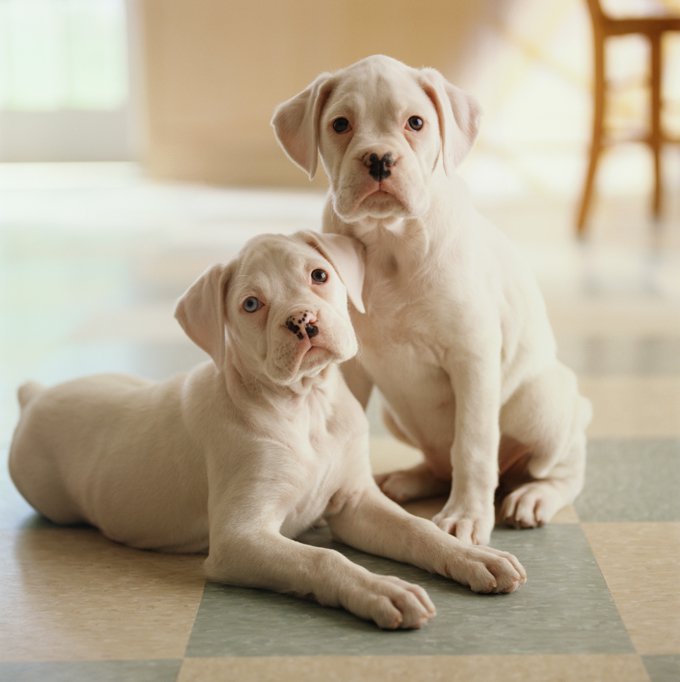
BOXER
| Origin: | Germany |
| Size: | Small |
| Color: | Others |
| Type: | Purebred |
| Breed Group: | Working (AKC:1904), Guardian Dogs (UKC) |
| Character: | Best guard |
| Temperament: | Brave Bright Confident Loyal |
| Height: | 22-25 inches (56-63cm) |
| Weight: | 60-70 pounds (27-32kg) |
| Life Span: | 12-14 years |
| Overview: | The Bulldog is an ancestor of the Boxer; various terriers were also part of its make-up, which gives the breed its speed, agility and more graceful body. The term “boxer” is British, but the most recent home country for the breed is Germany. “Boxer” seems appropriate since it has a mannerism of using its front legs in combat, much as a man would in fighting. The breed was virtually ignored until World War II, when it was brought into use as a military or police dog. This helped to insure instant popularity with returning servicemen, and the breed became in demand in the United States. |
| History: | The Chukotka Sled Dog is considered the progenitor to the Siberian Husky. Developed by the Chukchi people of Russia, Chukotka sled dog teams have been used since prehistoric times to pulls sleds in harsh conditions, such as hunting sea mammals on oceanic pack ice. From the 1890s to the 1930s, Chukotka sled dogs were actively imported into Alaska, to transport gold miners to the Yukon,first as part of the Klondike Gold Rush,[43] then later the "All-Alaska Sweepstakes,"[12] a 408-mile (657-km) distance dogsled race from Nome, to Candle, and back. At this time, "Esquimaux" or "Eskimo" was a common pejorative term for nativeArctic inhabitants with many dialectal permutations including Uskee, Uskimay and Huskemaw. Thus dogs used by Arctic peoplewere the dogs of the Huskies, the Huskie's dogs, and eventually simply the husky dogs.[45][46] Canadian and Americansettlers, not well versed on Russian geography, would distinguish the Chukotka imports by referring to them as Siberianhuskies as Chukotka is part of Siberia. Smaller, faster and more enduring than the 100- to 120-pound (45- to 54-kg) freighting dogs then in general use, theyimmediately dominated the Sweepstakes race. Leonhard Seppala, the foremost breeder of Siberian sled dogs of the time,participated in competitions from 1909 to the mid-1920s with a number of championships to his name. |
| Figure: | 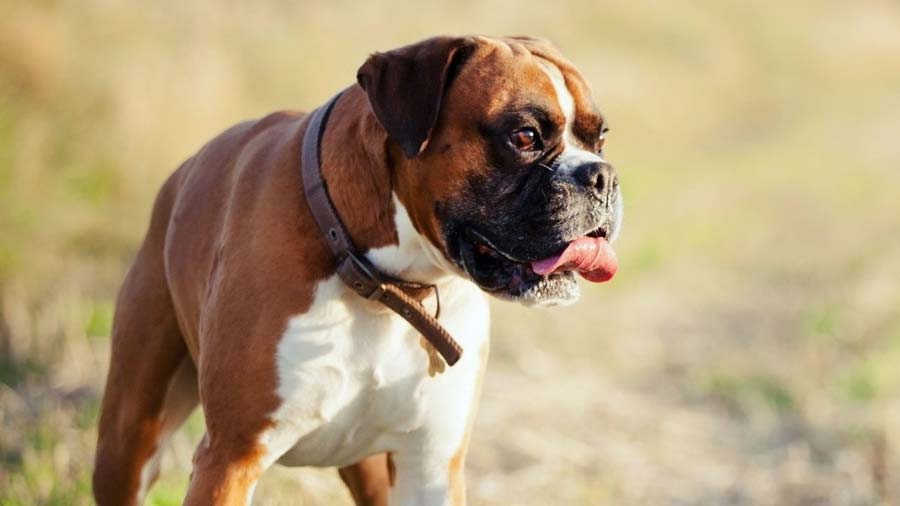 |