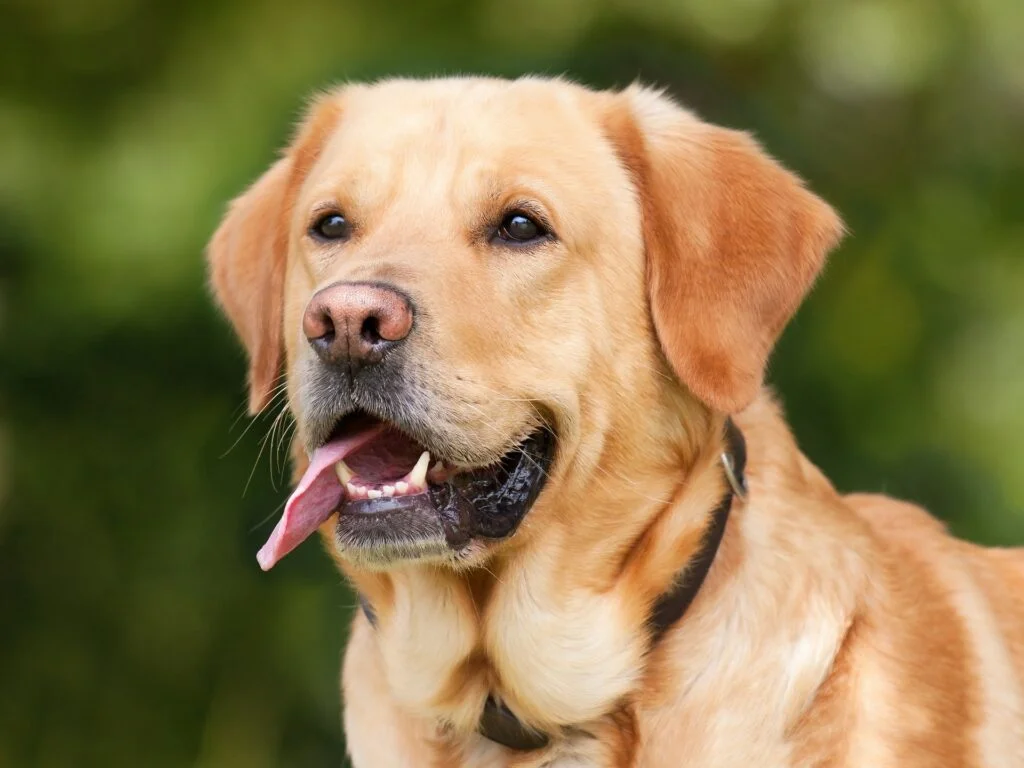
LABRADOR
| Origin: | Scotland |
| Size: | Medium |
| Color: | Black To Pure White |
| Type: | Sled Dogs |
| Breed Group: | Spitz Genetic |
| Character: | Gentle |
| Temperament: | Good With Children, Gentle, Friendly, Shows Independence And Intelligent. |
| Height: | 20-24 inches (51-60cm) |
| Weight: | 35-60 pounds (16-27kg) |
| Life Span: | 12-14 years |
| Overview: | The Siberian Husky is a medium-sized working sled dog breed. The breed belongs to the Spitz genetic family. It is recognizable by its thickly furred double coat, erect triangular ears, and distinctive markings, and is smaller than the similar-looking Alaskan Malamute. Siberian Huskies originated in Northeast Asia where they are bred by the Chukchi people of Siberia for sled pulling, andcompanionship. It is an active, energetic, resilient breed, whose ancestors lived in the extremely cold and harshenvironment of the Siberian Arctic. William Goosak, a Russian fur trader, introduced them to Nome, Alaska, during the NomeGold Rush, initially as sled dogs to work the mining fields and for expeditions through otherwise impassable terrain. Today, the Siberian Husky is typically kept as a house pet, though they are still frequently used as sled dogs by competitiveand recreational mushers. |
| History: | The Chukotka Sled Dog is considered the progenitor to the Siberian Husky. Developed by the Chukchi people of Russia, Chukotka sled dog teams have been used since prehistoric times to pulls sleds in harsh conditions, such as hunting sea mammals on oceanic pack ice. From the 1890s to the 1930s, Chukotka sled dogs were actively imported into Alaska, to transport gold miners to the Yukon,first as part of the Klondike Gold Rush,[43] then later the "All-Alaska Sweepstakes,"[12] a 408-mile (657-km) distance dogsled race from Nome, to Candle, and back. At this time, "Esquimaux" or "Eskimo" was a common pejorative term for nativeArctic inhabitants with many dialectal permutations including Uskee, Uskimay and Huskemaw. Thus dogs used by Arctic peoplewere the dogs of the Huskies, the Huskie's dogs, and eventually simply the husky dogs.[45][46] Canadian and Americansettlers, not well versed on Russian geography, would distinguish the Chukotka imports by referring to them as Siberianhuskies as Chukotka is part of Siberia. Smaller, faster and more enduring than the 100- to 120-pound (45- to 54-kg) freighting dogs then in general use, theyimmediately dominated the Sweepstakes race. Leonhard Seppala, the foremost breeder of Siberian sled dogs of the time,participated in competitions from 1909 to the mid-1920s with a number of championships to his name. |
| Figure: | |